Articles
Here you can find interesting articles on Soviet watches from different publications. Enjoy!
Vintage Soviet Watches: The Ultimate Guide
Vintage Watch Inc guides five major Soviet watch factories and their iconic brands. The First Moscow produced Poljot, Second Moscow made Slava. Chistopol made Vostok, Petrodvorets made Raketa, Uglich made Chaika. Each section includes detailed history and technical specifications.

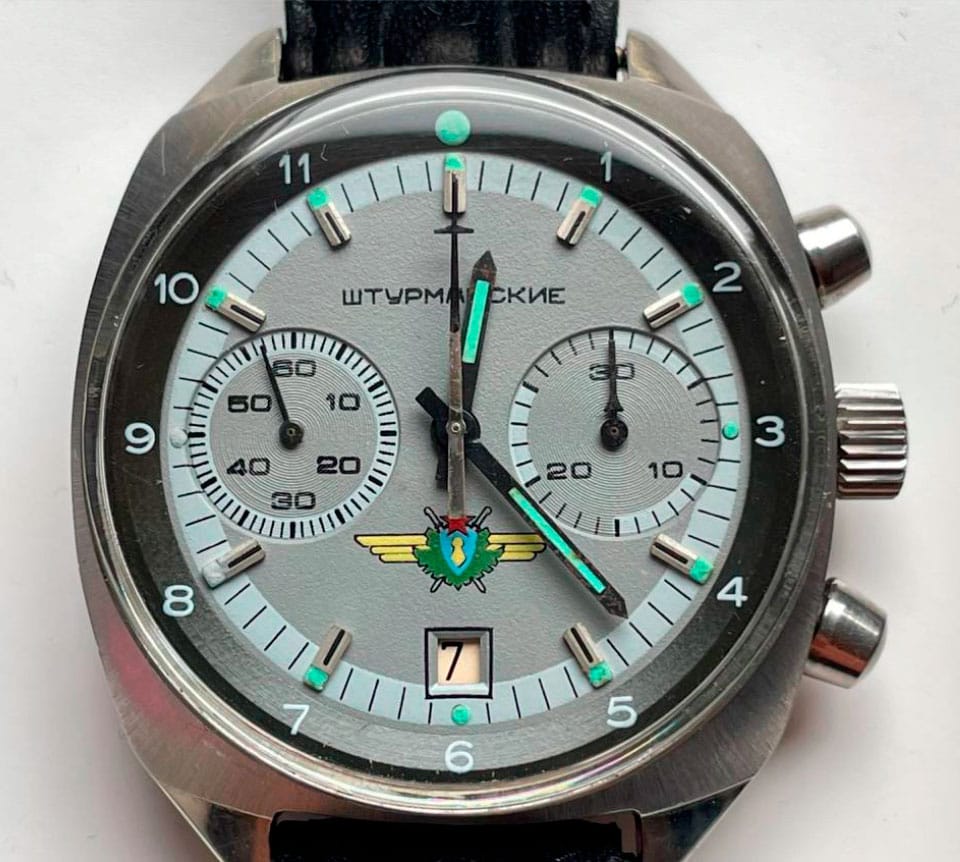
Sturmanskie 31659 Chronograph Reference Guide
Vintage Watch Inc references the Sturmanskie 31659 chronograph, a military timepiece for the Soviet Air Force. The guide documents eight dial variants and case configurations from 1987 to 1992. It explains technical differences between Poljot 3133 and 31659 movements. Collectors learn to authenticate examples accurately.
Raketa Big Zero: The Ultimate Buying Guide
Vintage Watch Inc examines the Raketa Big Zero, the iconic Soviet watch. The guide catalogs cushion case, round case, and pocket watch variations. It provides dial variation analysis and movement specifications. Distinguish authentic examples from counterfeits.

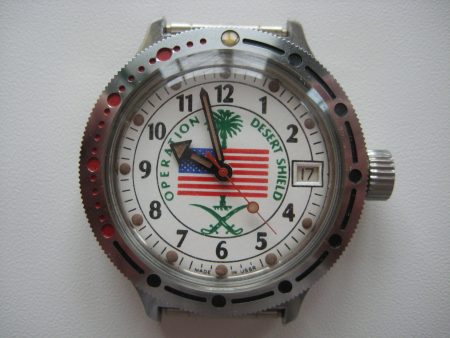
Vostok Desert Shield: The Ultimate Reference Guide
Vintage Watch Inc documents the Vostok Desert Shield commemorating Operation Desert Shield. The guide traces origins through American importer Bruce Erikson. It identifies original series variations and subsequent reissues. Learn to identify authentic examples from counterfeits.
An Introduction to Vintage Soviet Watches: Six Gateway Watches for New Collectors
aBlogtoWatch introduces six essential Soviet watches for new collectors. Expert contributors provide guidance on iconic models. The guide traces Soviet watchmaking origins and factory history. These pieces offer exceptional quality and character.
The Broker, The Astronaut and The Vampire: Enter the mysterious world of Soviet watch collectors
CNN explores the secretive world of Soviet watch collectors. It features profiles of enthusiasts with fascinating nicknames. The article highlights the mechanical excellence of Soviet timepieces. Soviet watches offer exceptional value and engineering.
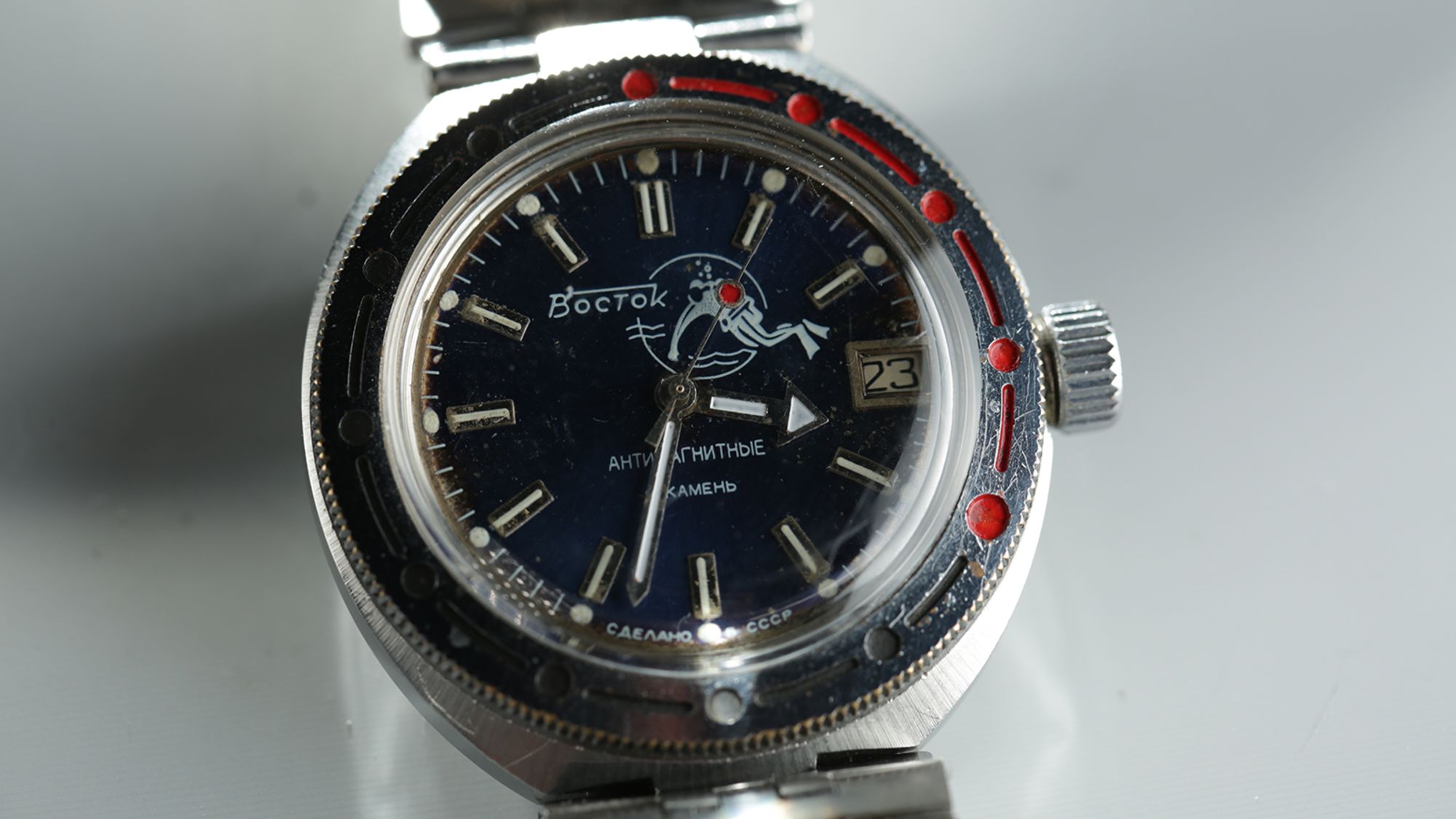
Raketa World Time a.k.a 'Goroda' Buying Guide
Vintage Watch Inc profiles the Raketa World Time (Goroda), a distinctive Soviet worldtimer. The guide documents design evolution from late 1970s through 1980s. It provides dial color analysis, case assessment methods, and movement specs. Use this checklist to evaluate examples.

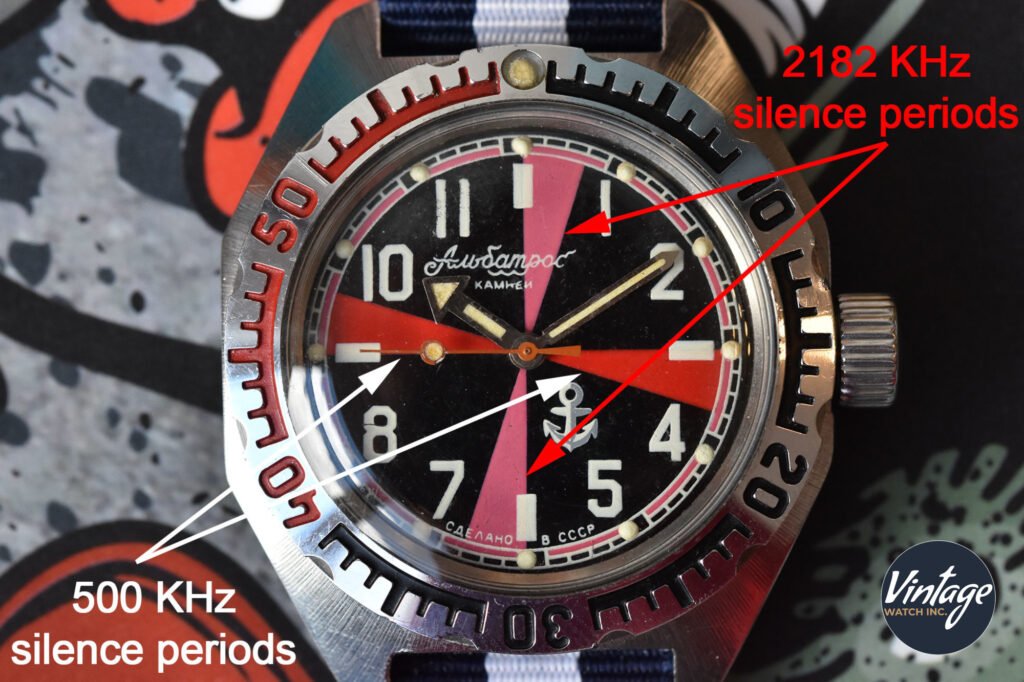
Vostok Radio Room Reference & Buying Guide
Vintage Watch Inc covers the Vostok Radio Room designed for maritime radio operators. The guide explores post-Titanic maritime safety protocols marked on dials. The watch originated in the late-eighties Albatros export series. Learn to identify authentic examples from reproductions.
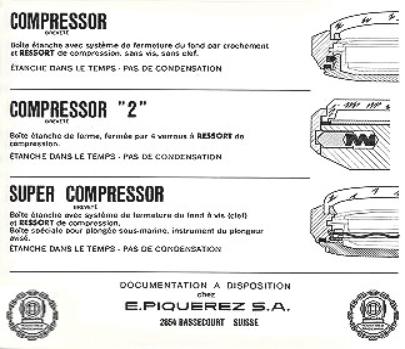
Vostok Compressor: Genesis & Reference Guide
Vintage Watch Inc traces diver watch development to the Vostok Compressor. The guide explains compressor case engineering and deep water advantages. It provides technical specifications, case variations, and movement information. Collectors find this resource invaluable for research.
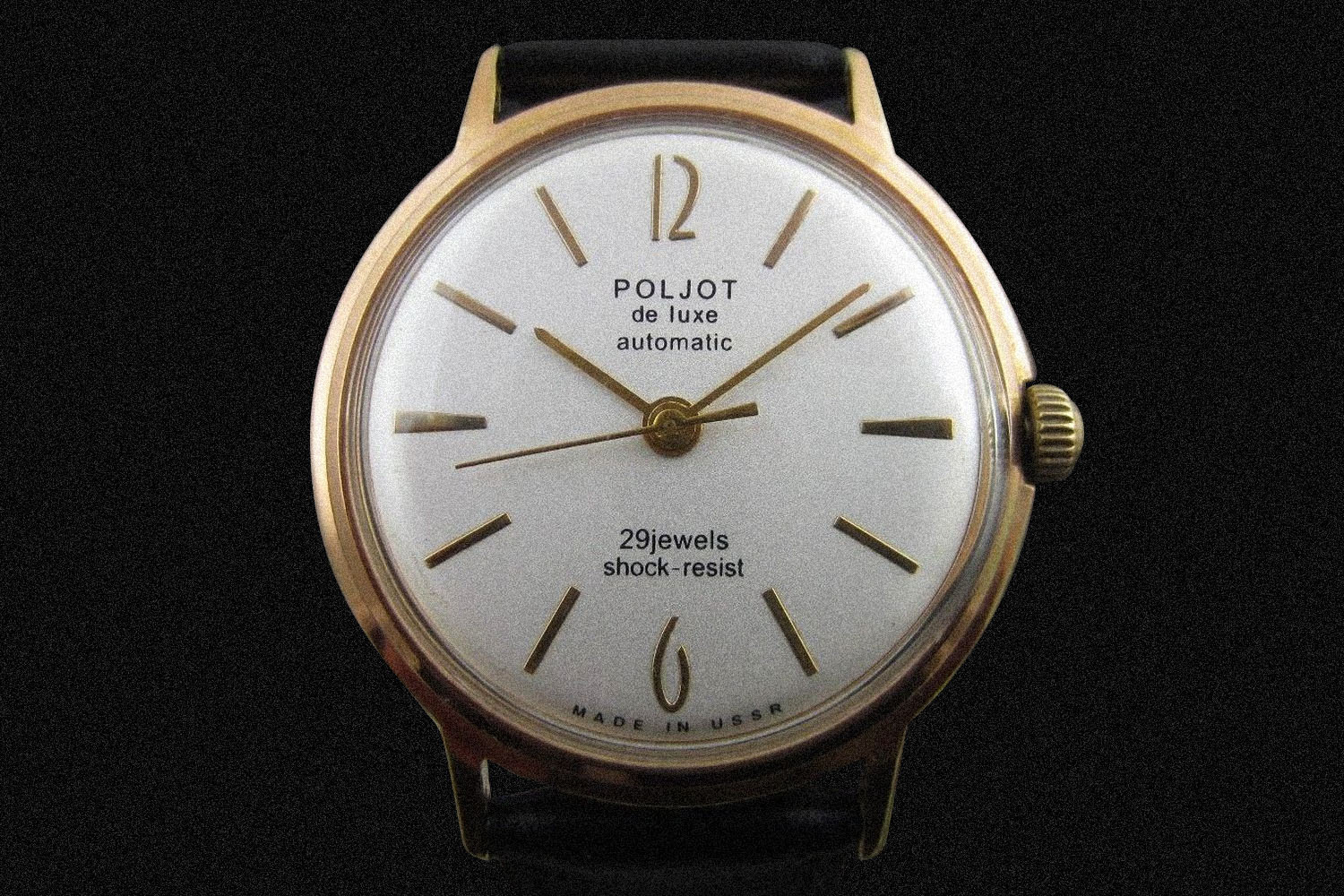
It's Time to Get Obsessed With Vintage Soviet Watches, Comrade
InsideHook highlights five iconic Soviet watches including the Vostok Amphibia and Sturmanskie Gagarin. The article traces origins to Stalin's 1930 acquisition of bankrupt Ohio companies. It explores technical innovations that distinguish Soviet watches. These pieces deliver exceptional value today.
Vostok NVCh-30 History & Reference Guide
Vintage Watch Inc documents the Vostok NVCh-30, an elite military diving watch. The guide details deployment among Spetsnaz divers and naval special forces. It identifies three production generations with unique characteristics. Military watch collectors require this information.
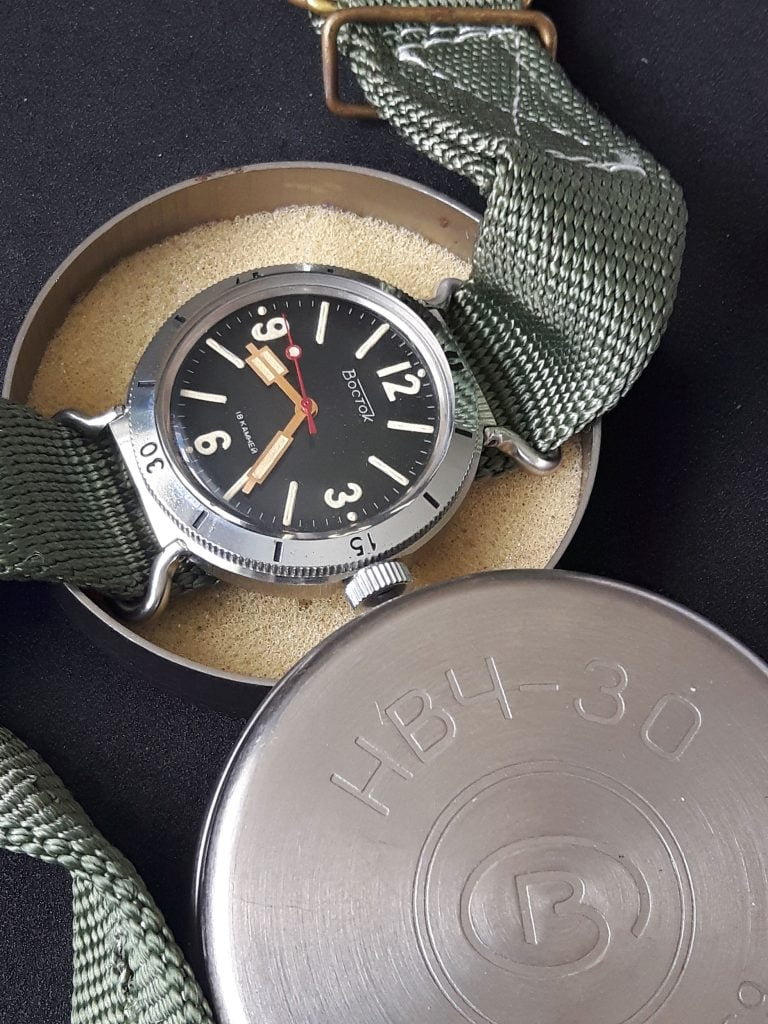
Russian Watches Prologue: It All Started with Zero…
Two Broke Watch Snobs introduces a multi-part series on Russian watch history. Understanding Soviet watches requires knowledge of Russia's historical arc. The series examines social, economic, and political factors shaping watchmaking. The prologue reveals the roots of Soviet excellence.
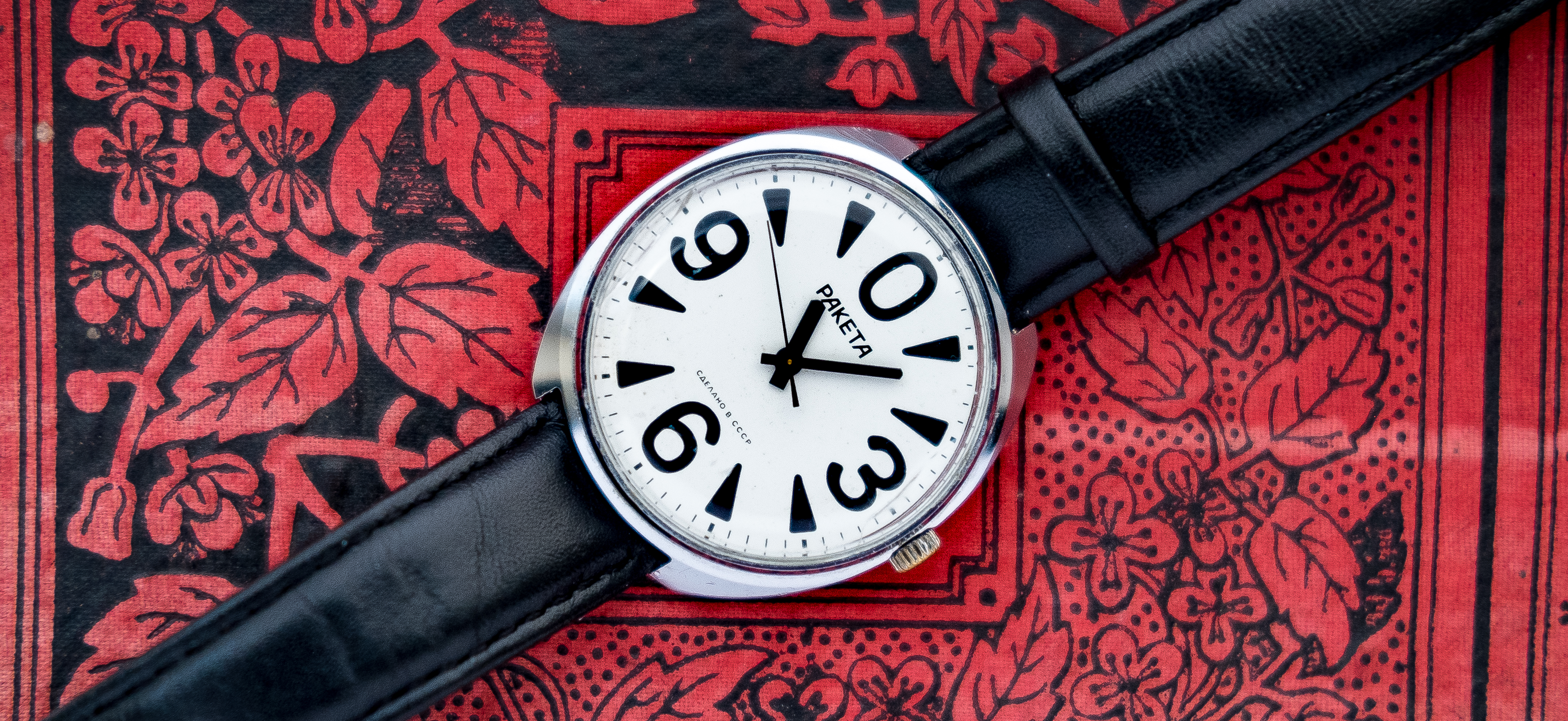
Russian Watches Part 1: Pre-Revolution Russian Clockworks (Huge Swinging Clocks!)
Two Broke Watch Snobs traces Russian horology from the 1400s to 1917. It follows monastic clockwork through opulent Tsarist timepieces. The article examines industrial challenges of the Imperial period. Understanding this foundation is essential to appreciating Soviet innovation.
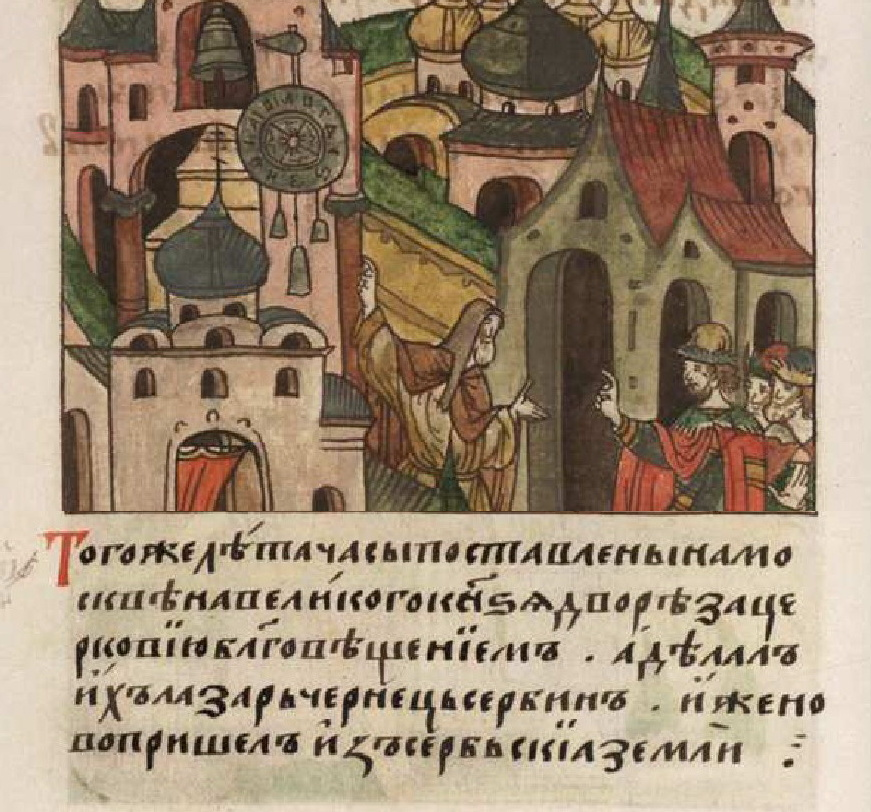
Russian Watches Part 2: The First Moscow Watch Factory (Poljot)
Two Broke Watch Snobs examines the First Moscow Watch Factory. The article details the 1930 Ohio acquisitions and wartime machinery seizures. It traces evolution from Strela to Poljot 3133 chronographs. FMWF established the standard for Soviet excellence.
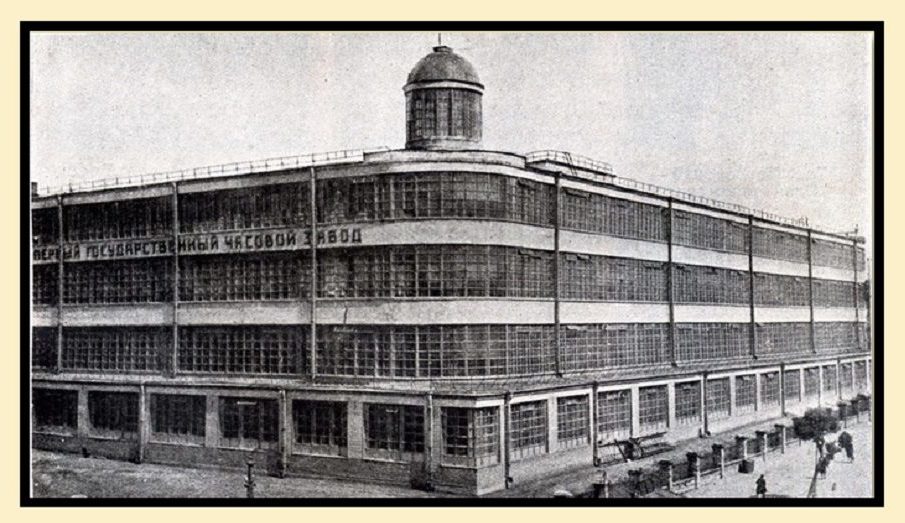
Vostok Watches: Russian Watches Part 3
Two Broke Watch Snobs profiles Vostok, epitomizing Soviet watchmaking excellence. The guide recounts wartime evacuation to Chistopol. It highlights the Amphibia dive watch and Komandirskie military watch. Vostok remains central to Russian horology.
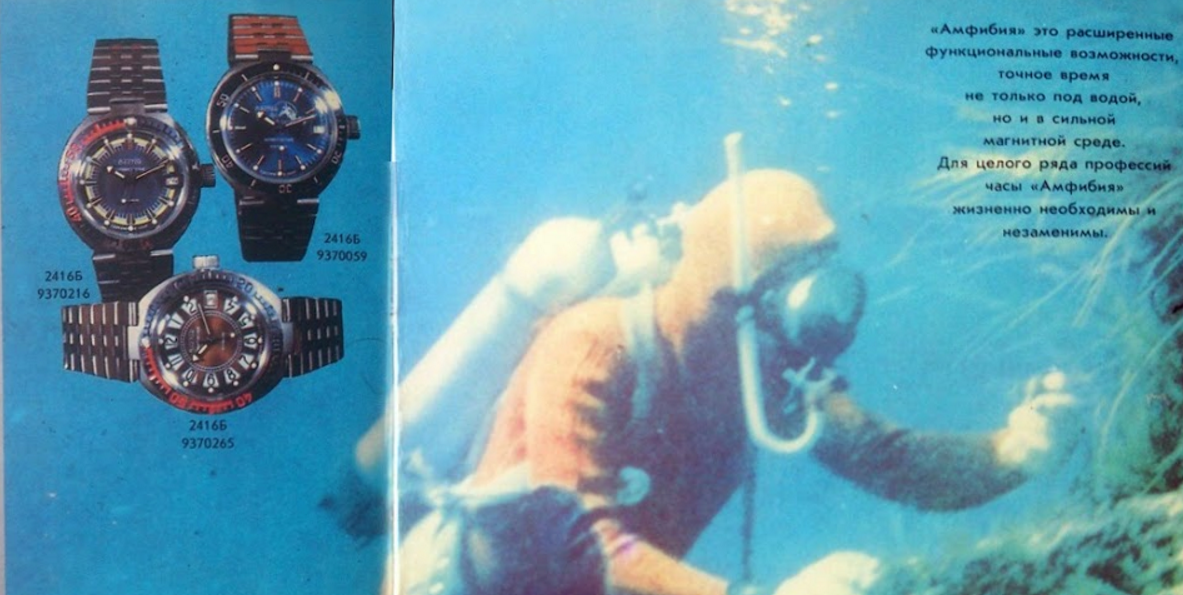
How A Bankrupt Rust Belt Watch Company Kick-Started The Soviet Watch Industry – And The Obsessive Collector Who Chronicles Their History
Hodinkee profiles Dashiell Oatman-Stanford's extraordinary thousand-watch collection from a single purchase. The article traces Soviet industry roots to 1930 Ohio acquisitions. It explores parallels between American and Soviet manufacturing. Collectors and researchers preserve horological history together.

Mechanical Movements of the Cold War: How the Soviets Revolutionized Wristwatches
Collector's Weekly features Dashiell Oatman-Stanford discussing his thousand-watch collection with his brother Hunter. The discussion traces Soviet industry from 1930 origins through the Cold War era. Dashiell shares personal stories about acquiring watches. Their conversation reveals the passion behind serious collecting.
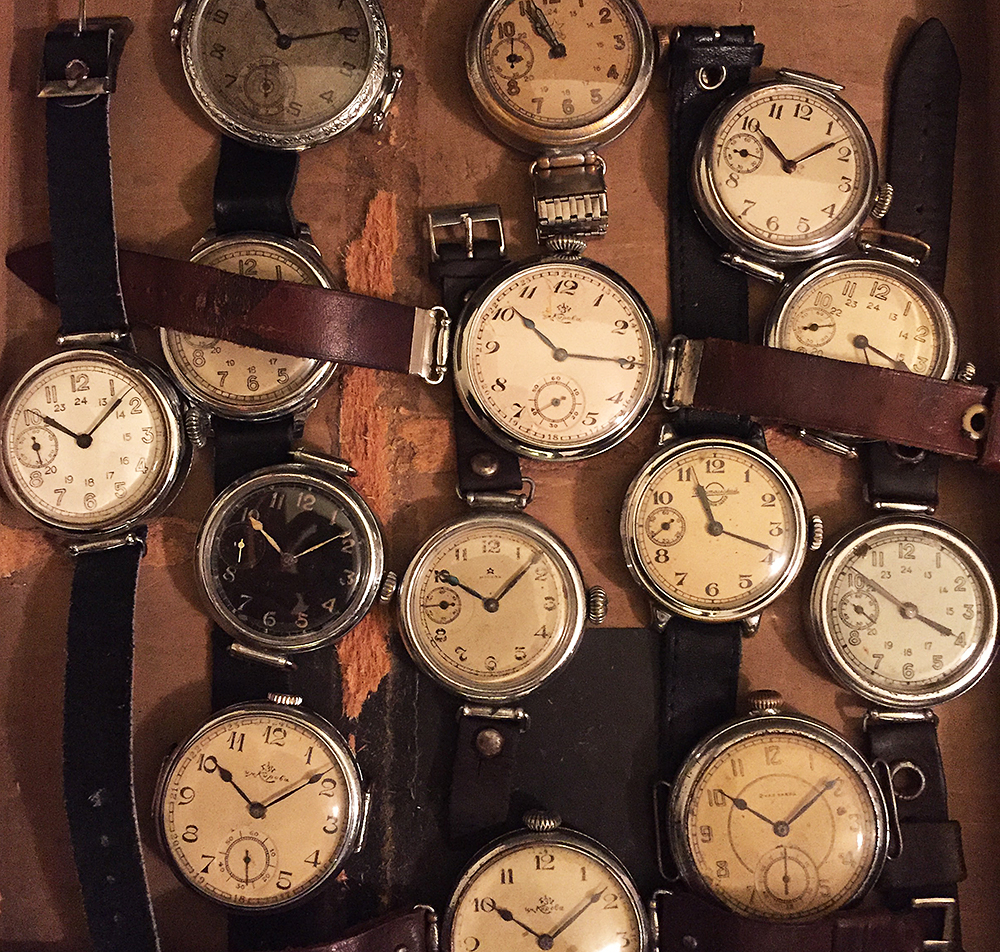
An Introduction to Russian Watches
Worn & Wound established the foundation for understanding Soviet-era Russian watches. The article examines unique design philosophies and engineering principles. It explores mechanical movements revealing Soviet engineering competence. This foundational work has grown in importance.

Pobeda Movements
Horology.ru traces the origins of Soviet watchmaking from pre-revolutionary imports to the iconic Pobeda movement. The article covers the K-26 caliber based on the French Lip R26, its production across multiple factories, and factory-specific variations. Essential reading for understanding the foundations of Soviet horology.
Soviet Movements (Part 1)
Horology.ru presents a detailed review of rare and notable Soviet watch movements. The article covers calibers from the 1st Moscow Watch Factory, Vostok, and Poljot. It highlights finishing quality, complications, and historical context. An essential reference for serious Soviet watch collectors.
Soviet Movements (Part 2)
Horology.ru continues its review of Soviet movements with a focus on chronographs and rare calibers. The article covers Molnija and Salut chronographs, the Raketa alarm automatic, the tiny Chaika 1200, and precision Vostok movements. A must-read for serious Soviet horology enthusiasts.